
पाठ्यक्रम
संदर्भ: प्रधानमंत्री नरेन्द्र मोदी ने वॉयस ऑफ द ग्लोबल साउथ शिखर सम्मेलन के दौरान मानव-केंद्रित “वैश्विक विकास समझौते” का प्रस्ताव रखा।
पृष्ठभूमि:-
मुख्य तथ्य
वैश्विक विकास समझौता:
वैश्विक उत्तर-दक्षिण अंतर को कम करना:
वैश्विक उत्तर और वैश्विक दक्षिण को समझना:
स्रोत: Indian Express
पाठ्यक्रम
संदर्भ: संघ लोक सेवा आयोग ने हाल ही में 24 केंद्रीय मंत्रालयों में संयुक्त सचिव, निदेशक और उप सचिव के 45 पदों के लिए लेटरल एंट्री /पार्श्व प्रवेश हेतु आवेदन मांगे हैं।
पृष्ठभूमि:
मुख्य तथ्य
आलोचना
स्रोत: Indian Express
पाठ्यक्रम
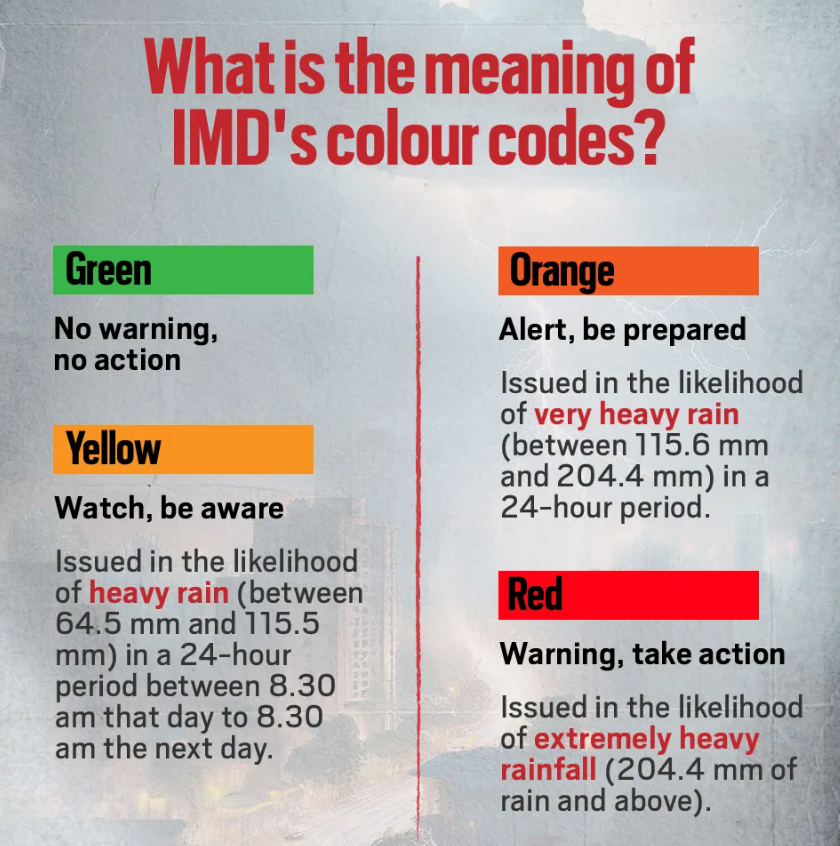
प्रसंग: जुलाई में मुंबई के लिए आईएमडी के पूर्वानुमान लगभग 42 प्रतिशत गलत थे। जुलाई में कम से कम चार दिनों में आईएमडी ने 24 घंटे के भीतर दो बार अपने पूर्वानुमान और चेतावनियों में बदलाव किया था।
पृष्ठभूमि :
मुख्य तथ्य
स्रोत: Indian Express
पाठ्यक्रम
संदर्भ : ओपनएआई ने हाल ही में कहा कि उसने ईरानी प्रभाव संचालन से जुड़े चैटजीपीटी खातों पर प्रतिबंध लगा दिया है, जो अमेरिकी राष्ट्रपति चुनाव को प्रभावित करने के लिए सामग्री तैयार करने के लिए चैटबॉट का उपयोग करते थे।
पृष्ठभूमि :
स्टॉर्म-2035 के बारे में:
स्टॉर्म-2035 का प्रभाव:
पिछली घटनाएँ:
ओपनएआई का जवाब:
स्रोत: Indian Express
पाठ्यक्रम
संदर्भ : हाल ही में सूडान अर्धसैनिक बलों के हमले में कम से कम 80 लोग मारे गए।
पृष्ठभूमि :
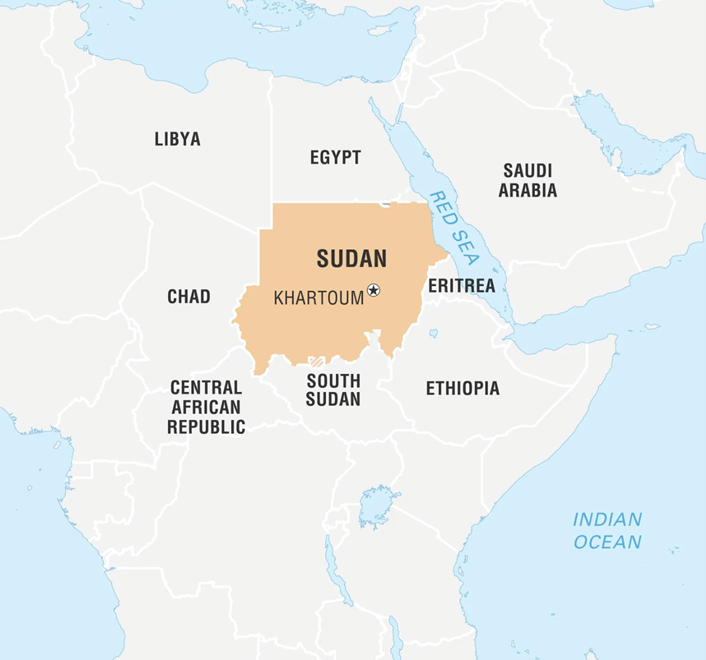
मुख्य तथ्य
सूडान में संघर्ष के मुख्य कारण:
स्रोत: Hindu
पाठ्यक्रम
संदर्भ : संयुक्त राष्ट्र महासभा ने हाल ही में बहुआयामी भेद्यता सूचकांक (एमवीआई) लॉन्च किया।
पृष्ठभूमि :
मुख्य तथ्य
उद्देश्य:
आयाम:
लाभ:
स्रोत: Hindu
Q1.) निम्नलिखित देशों पर विचार करें:
उपर्युक्त देशों में से कितने देश सूडान के साथ सीमा साझा करते हैं?
Q2.) बहुआयामी भेद्यता सूचकांक (एमवीआई) के संदर्भ में, निम्नलिखित कथनों पर विचार करें:
उपर्युक्त में से कौन सा/से कथन सही है/हैं?
Q3.) स्टॉर्म – 2035 (Storm – 2035), जो हाल ही में समाचारों में देखा गया, एक है
Comment the answers to the above questions in the comment section below!!
ANSWERS FOR ’ 19th August 2024 – Daily Practice MCQs’ will be updated along with tomorrow’s Daily Current Affairs
Q.1) – c
Q.2) – b
Q.3) – c