पाठ्यक्रम
संदर्भ: नीति आयोग के पूर्व उपाध्यक्ष अरविंद पनगढ़िया की अध्यक्षता में सोलहवें वित्त आयोग ने केंद्र द्वारा निर्धारित अधिदेश पर जनता से सुझाव आमंत्रित करके अपना काम शुरू कर दिया है।
पृष्ठभूमि:-
वित्त आयोग के बारे में
आयोग कैसे निर्णय लेता है?
केंद्र और राज्यों के बीच मतभेद क्या हैं?
स्रोत: Hindu
पाठ्यक्रम
संदर्भ: राष्ट्रीय चुनाव आयोग ने कहा है कि रवांडा के राष्ट्रपति पॉल कागामे 99.18% मतों के साथ पुनः निर्वाचित हुए हैं, जिससे उनका कार्यकाल लगभग 25 वर्ष तक का हो गया है।
पृष्ठभूमि:
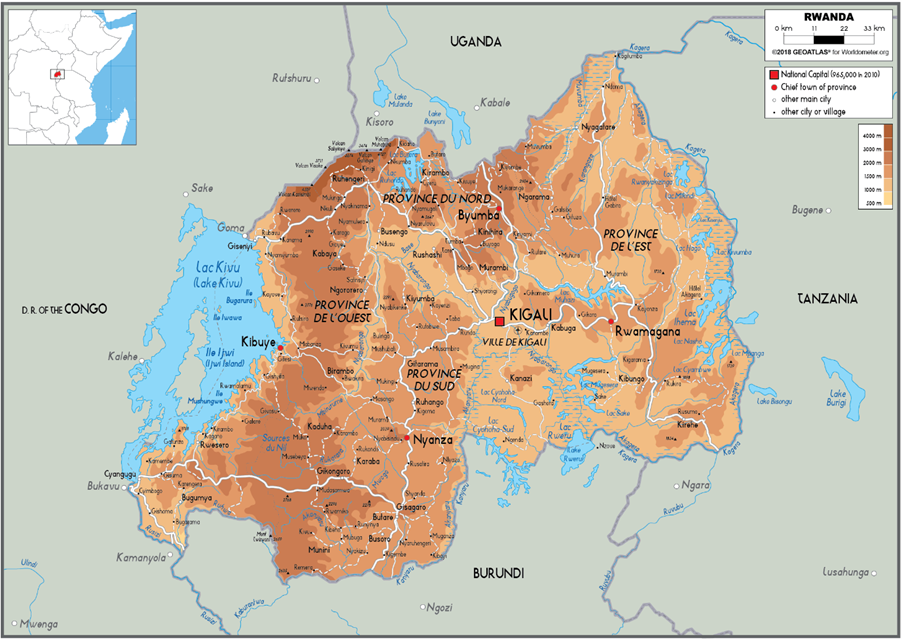
About Rwanda
पाठ्यक्रम
प्रसंग: आज भारत चीन और अमेरिका के बाद विश्व का तीसरा सबसे बड़ा ऊर्जा उपभोक्ता है। ऊर्जा जरूरतों के लिए आयात पर निर्भरता को देखते हुए खाड़ी देशों के साथ संबंध महत्वपूर्ण हैं।
पृष्ठभूमि:
ऊर्जा उपभोग
तेल और गैस
खाड़ी देश: सबसे भरोसेमंद आपूर्तिकर्ता
खाड़ी का निरन्तर महत्व
व्यापार और निवेश
द्विपक्षीय संबंध
स्रोत: Indian Express
पाठ्यक्रम
प्रसंग: भारत सरकार ने हाल ही में “शत्रु संपत्ति” के रूप में वर्गीकृत संपत्तियों की नीलामी करने के लिए एक महत्वपूर्ण कदम उठाया है।
पृष्ठभूमि :
शत्रु संपत्ति के बारे में :
शत्रु संपत्ति (संशोधन और विधिमान्यकरण) अधिनियम 2017:
राज्यवार वितरण:
स्रोत: Hindu
पाठ्यक्रम
संदर्भ : आर्टिफिशियल इंटेलिजेंस हर जगह चर्चा में है क्योंकि कंपनियाँ AI से लैस उत्पाद और सेवाएँ लाने की कोशिश कर रही हैं। विश्व भर की सरकारें AI संचालित भविष्य की दौड़ में शामिल होने की कोशिश कर रही हैं।
पृष्ठभूमि :
भारत एआई मिशन के बारे में:
स्रोत: Indian Express
पाठ्यक्रम
संदर्भ : भारतीय प्राणी सर्वेक्षण (Zoological Survey of India -ZSI) के वैज्ञानिकों ने हाल ही में स्क्वैलस हिमा नामक एक नई प्रजाति की खोज की है।
पृष्ठभूमि:
इस नई प्रजाति की खोज संरक्षण प्रयासों के लिए महत्वपूर्ण है, क्योंकि डॉगफिश शार्क का शोषण उनके पंख, यकृत तेल और मांस के लिए किया जाता है।
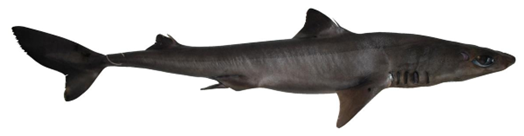
स्क्वैलस हिमा के बारे में:
महत्व और संरक्षण:
स्रोत: Hindu
Q1.) निम्नलिखित देशों पर विचार करें
उपरोक्त देशों में से कितने देश स्थलरुद्ध (लैंडलॉक) हैं?
Q2.) स्क्वैलस हिमा, जो हाल ही में समाचारों में था, एक है?
Q3.) भारत में शत्रु संपत्तियों (Enemy properties) के संदर्भ में, निम्नलिखित कथनों पर विचार करें:
उपर्युक्त में से कौन सा/से कथन सही है/हैं?
Comment the answers to the above questions in the comment section below!!
ANSWERS FOR ’ 20th July 2024 – Daily Practice MCQs’ will be updated along with tomorrow’s Daily Current Affairs.st
Q.1) – a
Q.2) – b
Q.3) – d