Syllabus
Context: Recently, the Finance Bill, 2023, has proposed to amend Section 56(2) VII B of the Income Tax Act, related to Angel tax.
About Angel Tax:
Section 56(2) (viib) in the IT act:
Proposed changes
Significance of provision:
Source: Indian Express
Previous Year Questions
Q.1) With reference to the expenditure made by an organisation or a company, which of the following statements is/are correct? (2022)
Select the correct answer using the code given below:
Q.2) With reference to the Indian economy, consider the following statements:
Which of the above statements is/are correct? (2022)
Syllabus
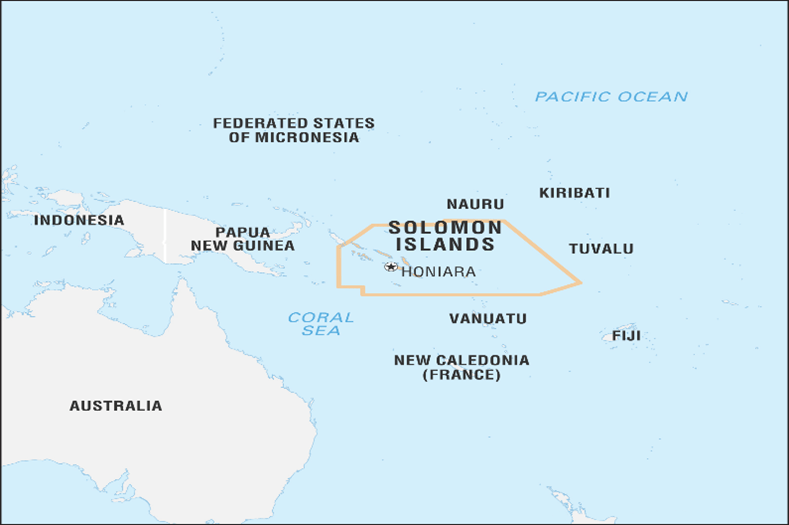
Context: The United States opened an embassy in the Solomon Islands recently in its latest move to counter China’s push into the Pacific.
About Solomon Islands:
Source: Indian Express
Previous Year Questions
Q.1) Consider the following pairs:
Region often mentioned in the news: Country
How many pairs given above are correctly matched? (2022)
Q.2) Consider the following countries:
Which of the above have borders with Afghanistan? (2022)
Syllabus
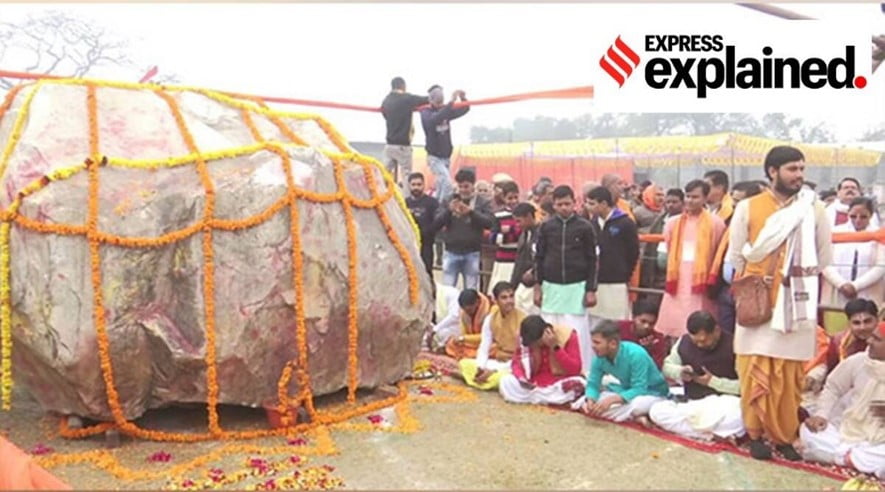
Context: Two sacred Shaligram stones, weighing 31 tonnes and 15 tonnes, arrived in Ayodhya in Uttar Pradesh. The stones are expected to be used for constructing the idols of Lord Ram and Janaki at the Ram Temple.
About Shaligram Stones:
Source: Indian Express
Previous Year Questions
Q.1) Consider the following pairs:
Site of Ashoka’s major rock edicts Location in the State of
How many pairs given above are correctly matched? (2022)
Q.2) With reference to Chausath Yogini Temple situated near Morena, consider the following statements:
Which of the statements given above are correct? (2021)
Syllabus
Context: Research
Joint Parliamentary Committee
ers at the Microsoft Research (MSR) lab in India have been working towards creating Project ELLORA.
About Project ELLORA:
Gondi:
Mundari:
Idu Mishmi:
Source: Indian Express
Syllabus
Context: The Opposition joined hands to demand a probe either by a Joint Parliamentary Committee (JPC), headed by the Supreme Court or monitored by the Chief Justice of India, into the allegations of fraud and stock manipulation against the Adani Group.
About Joint Parliamentary Committee:
Powers of the committee:
The Joint Parliamentary Committees are formed till date include the following cases:
Source: Indian Express
Previous Year Questions
Q.1) Consider the following statements:
Which of the statements given above is/are correct? (2022)
Q.2) We adopted parliamentary democracy based on the British model, but how does our model differ from that model? (2021)
Select the correct answer using the code given below.
Syllabus
In News: The scheme will continue till 2025-26 with an allocation of Rs.2400 crore.
About Rashtriya Gokul Mission
News Source: PIB
Syllabus
About: One District One Product Scheme is an initiative that is seen as a transformational step forward towards realizing the true potential of a district, fuel economic growth, and generate employment and rural entrepreneurship, taking us to the goal of AtmaNirbhar Bharat.
Components of the Scheme:
GIS One District One Product (ODOP) Digital Map of India:
Few products identified include:
Uttar Pradesh
Rajasthan: Blue Pottery (Jaipur) and MarkhanaMarbels (Nagaur)
Maharashtra: Wine from the Nashik valley
Karnataka:
News Source: PIB
Syllabus
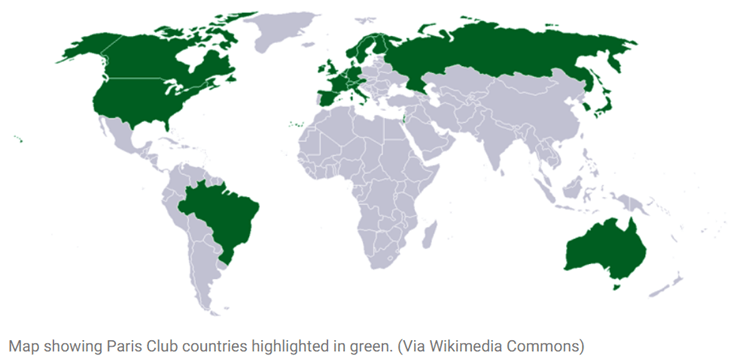
In News: The Paris Club, an informal group of creditor nations, will provide financial assurances to the International Monetary Fund on Sri Lanka’s debt.
The Paris Club
How has Paris Club been involved in debt agreements?
The role of the Paris Club over time: The Paris group countries dominated bilateral lending in the last century, but their importance has receded over the last two decades or so with the emergence of China as the world’s biggest bilateral lender.
News Source: Indian Express
Syllabus
In News: The Supreme Court has refused to set aside a provision in the election law that allows candidates to contest polls from two constituencies simultaneously.
Why: SC feels that it is a policy matter and an issue concerning political democracy. Hence, it is for the Parliament to take a call.
Background: The petition filed by advocate Ashwini Upadhyay, represented by senior advocate Gopal Sankaranarayanan, had sought the court to declare Section 33(7) of the Representation of People Act invalid and ultra vires.
In 2018, the government had objected to the petition in court.
The Election Commission had, in an affidavit in 2018, supported the petition. It had informed the Supreme Court that it had proposed an amendment to Section 33(7) in July 2004.
News Source: The Hindu
Q.1) Consider the following pairs:
Indigenous tribal language and script
How many pairs given above is/are correctly matched?
Q.2) Consider the following countries:
Which of the above are part of Paris Club of Nations?
Q.3) Consider the following pairs:
Famous product and region
How many pairs given above is/are correctly matched ?
Comment the answers to the above questions in the comment section below!!
ANSWERS FOR ’ 4th February 2023 – Daily Practice MCQs’ will be updated along with tomorrow’s Daily Current Affairs.st
Q.1) – b
Q.2) – a
Q.3) – a