Green Strategic Partnership between India and Denmark launched
Part of: GS Prelims and GS-II – International Relations
In news
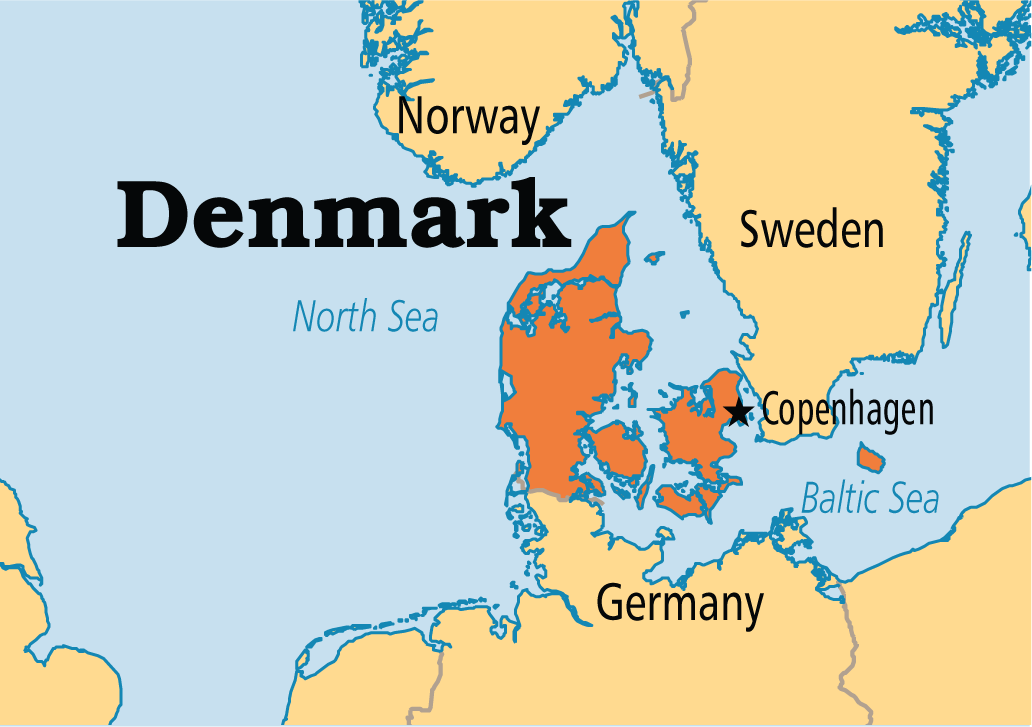
India and the Kingdom of Denmark have launched the Green Strategic Partnership for delivering sustainable solutions to India.
The Ministry of Commerce and Industry has also signed a Memorandum of Understanding (MoU) for Intellectual Property (IP) Cooperation with Denmark.
Key takeaways
Green Strategic Partnership
The Partnership will focus on expanding economic ties, green growth, and cooperation on global challenges such as climate change.
Danish companies with niche technologies and expertise have offered to help India in meeting its air pollution control targets, Covid-19 pandemic and cooperation in water efficiency and water loss.
The creation of India-Denmark energy parks in areas with large numbers of Danish firms and an India-Denmark skill institute to train Indian manpower has been proposed.
Intellectual Property Cooperation
The MoU aims at increasing IP co-operation between the two countries through exchange of information and best practices on processes for disposal of applications for patents, trademarks, Geographical Indications, and cooperation in the field of protection of Traditional Knowledge.
It will be a landmark step forward in India’s journey towards becoming a major player in global innovation and further the objectives of the National Intellectual Property Rights Policy, 2016
Do you know?
Green growth is a term to describe a path of economic growth that uses natural resources in a sustainable manner.