Syllabus
Context: Recently, INS Trishul arrived at Durban port in South Africa to commemorate the 130th anniversary of the incident at Pietermaritzburg railway station when Mahatma Gandhi was evicted from a train.
About INS Trishul:-
Pietermaritzburg railway station incident
MUST READ: India and Mahatma Gandhi
SOURCE: HINDUSTAN TIMES
PREVIOUS YEAR QUESTIONS
Q.1) Consider the following in respect of the Indian Ocean Naval Symposium (IONS): (2017)
Which of the above statements is/are correct?
Q.2) With reference to `Astrosat’, the astronomical observatory launched by India, which of the following statements is/are correct? (2016)
Select the correct answer using the code given below.
Syllabus
Context: Recent evidence suggests that Homo Naledi buried their dead.
About Homo Naledi:-
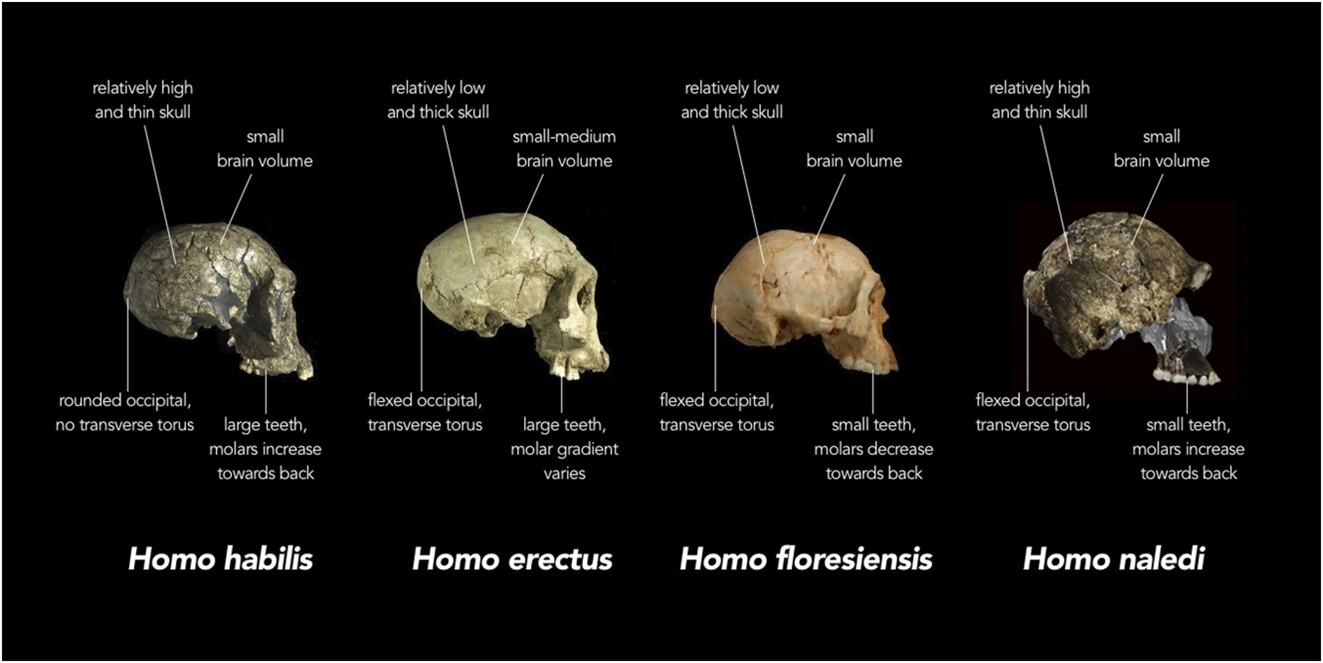
IMAGE SOURCE: pinterest.com.au
About the Study:
Burial tradition in India:-
Megalith Sites in India
MUST READ: Bhimbetka cave
SOURCE: THE INDIAN EXPRESS
PREVIOUS YEAR QUESTIONS
Q.1) Consider the following pairs: (2021)
Historical place Well-known for
Which of the pairs given above is/are correctly matched?
Q.2) Which one of the following statements is correct? (2021)
Syllabus
Context: The government recently announced the removal of the procurement ceiling for tur, urad and masur dal under the price support scheme.
About the Price support scheme:-
NAFED:-
Objectives:-
Minimum Support Price (MSP)
MUST READ: Minimum Support Prices (MSP) for copra season 2023
SOURCE: TIMES NOW
PREVIOUS YEAR QUESTIONS
Q.1) Which of the following activities constitute a real sector in the economy? (2022)
A corporate body issuing Rupee Denominated Bonds overseas
Q.2) In India, which of the following can be considered as public investment in agriculture? (2020)
In India, which of the following can be considered as public investment in agriculture?
Select the correct answer using the code given below:
Syllabus
Context: Recently, the SAT quashed an order of SEBI, which had earlier cancelled licence of Brickwork Ratings’, a credit rating agency. .
About Securities Appellate Tribunal (SAT):-
Pension Fund Regulatory and Development Authority (PFRDA):-
Insurance Regulatory Development Authority of India (IRDAI):-
Functions:-
MUST READ: Securities and Exchange Board of India (SEBI) extends trading ban on Agri commodities
SOURCE: BUISINESS STANDARD
PREVIOUS YEAR QUESTIONS
Q.1) Consider the following statements: (2022)
Which of the statements given above is correct?
Q.2) With reference to the ‘Banks Board Bureau (BBB)’, which of the following statements is correct? (2022)
Select the correct answer using the code given below:
Syllabus
Context: Recently, the NHAI started shifting the toll plaza from Jagjitpura to a new location on the Jalandhar-Barnala stretch of the national highway.
About the National Highways Authority of India (NHAI):-
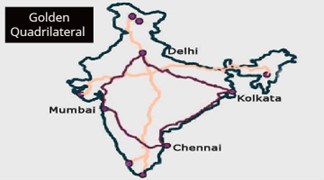
IMAGE SOURCE: 91wheels.com
Functions:-
National Highways Development Programme (NHDP)
MUST READ: Drone Survey Mandatory for All National Highways Projects
SOURCE: HINDUSTAN TIMES
PREVIOUS YEAR QUESTIONS
Q.1) With reference to the “Tea Board” in India, consider the following statements: (2022)
Which of the statements given above is correct?
Q.2) Steel slag can be the material for which of the following? (2020)
Select the correct answer using the code given below:
Syllabus
Context: Recently, an RBI-appointed committee has recommended the extension of Deposit Insurance and Credit Guarantee Corporation (DICGC) cover to Prepaid Payment Instrument (PPI) holders.
About Prepaid Payment Instrument (PPI) holders:-
Deposit Insurance and Credit Guarantee Corporation (DICGC)
MUST READ: UPI and NPCI Regulation
SOURCE: INDIAN EXPRESS
PREVIOUS YEAR QUESTIONS
Q.1) With reference to Ayushman Bharat Digital Mission, consider the following statements: (2022)
Which of the statements given above is/are correct?
Q.2) In India, the Central Bank’s function as the “lender of last resort” usually refers to which of the following? (2021)
Select the correct answer using the code given below
Syllabus
Context: Mahua ladoos, prepared by Odisha tribal women have showed huge revenue success in recent times.
About Mahua ladoos:-
Van Dhan Vikas Kendras:
Pradhan Mantri VanDhan Yojana(PMVDY):-
MUST READ: Mahua Tree/Madhuca longifolia
SOURCE: DOWN TO EARTH
PREVIOUS YEAR QUESTIONS
Q.1) Consider the following statements about Particularly Vulnerable Tribal Groups (PVTGs) in India: (2019)
Which of the statements given above is correct?
Q.2) With reference to organic farming in India, consider the following statements: (2018)
Which of the statements given above is/are correct?
Manual Scavenging in India
Syllabus
Context: According to the Ministry of Social Justice and Empowerment’s recent report, only 66% of districts in a country are free of manual scavenging.
About manual scavenging:
Status of manual scavenging:
Reasons for the Prevalence of Manual Scavenging:
Indifferent Attitude:
Social Issue:
Issues due to Outsourcing:
Issues associated with manual scavenging:
Constitutional provisions against manual scavenging in India:
Supreme Court’s Judgements:
Initiatives taken by the Govt.
Source: The Hindu
Syllabus
Context: In June 2023, the Reserve Bank of India (RBI) Governor launched a Financial Inclusion Dashboard, named Antardrishti.
About Antardrishti:
About Financial Inclusion:
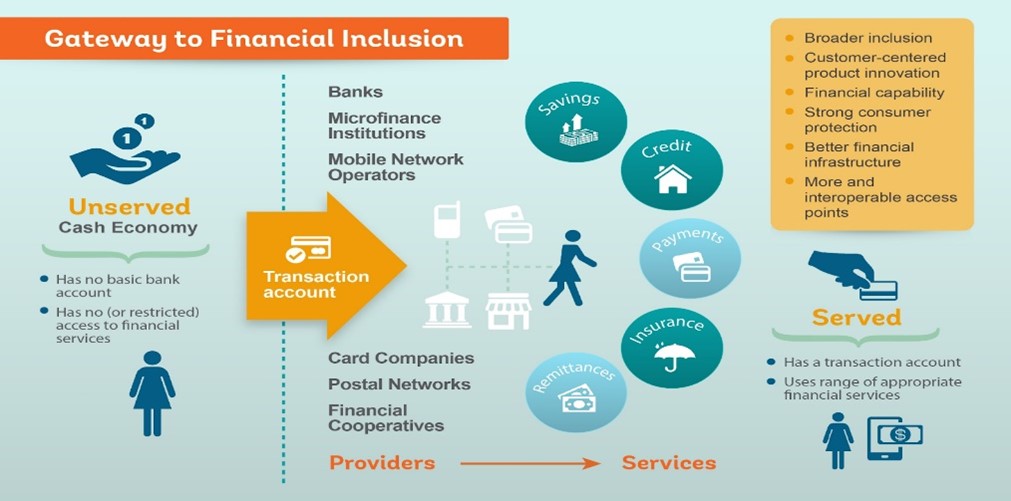
The objectives of financial inclusion are to provide the following:
Significance of Financial Inclusion:
Challenges to financial inclusion in India:
Steps taken to achieve Financial Inclusion:
Government of India Initiatives:
Initiatives by the RBI:
Way Forward:
The availability of banking facilities and strong bank branch network are the major facilitators of developmental activities. A strong and sturdy financial system is a pillar of economic growth, development and progress of an economy. The problem of financial exclusion needs to be tackled if we want our country to grow in an equitable and sustainable manner.
Source: Business Standard
Q1.) With reference to Pradhan Mantri VanDhan Yojana, consider the following statements:
Which of the statements given above is/are correct?
Q2.) With reference to the National Highways Authority of India, consider the following statements:
Which of the statements given above is/are incorrect?
Q3.) With reference to the Securities Appellate Tribunal (SAT), consider the following statements:
Which of the statements given above is/are correct?
Comment the answers to the above questions in the comment section below!!
ANSWERS FOR ’ 8th June 2023 – Daily Practice MCQs’ will be updated along with tomorrow’s Daily Current Affairs.st
Q.1) – b
Q.2) – d
Q.3) -d